
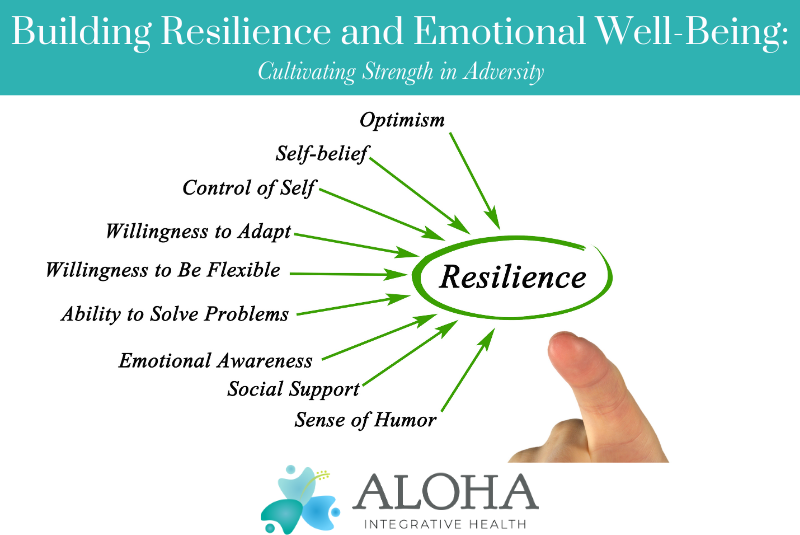
Life is full of unexpected twists and turns, and each person faces challenges that can test their emotional limits. Resilience, or the ability to recover from adversity, is a vital skill that helps individuals navigate these hardships with strength and grace. Emotional well-being is also essential for maintaining balance in life and promoting positive mental health.
At Aloha Integrative Health, we are dedicated to helping individuals build resilience and enhance emotional well-being. By fostering positive thinking and cultivating inner strength, anyone can learn to overcome life’s challenges. In this blog post, we’ll explore the importance of resilience, how it impacts emotional well-being, and practical strategies to cultivate both in your everyday life.
The Importance of Resilience
Resilience is not just about “bouncing back” from difficult experiences; it involves personal growth and learning from challenges. It is the foundation that allows people to endure setbacks, loss, or trauma while continuing to move forward. Some key benefits of resilience include:
- Improved Stress Management: Resilient individuals are better equipped to handle stress, as they can adapt to adversity and find solutions to challenges.
- Greater Emotional Stability: Resilience helps maintain emotional balance during tough times, preventing overwhelming feelings of anxiety or despair.
- Enhanced Problem-Solving Skills: Resilience encourages people to think creatively and come up with effective ways to solve problems.
- Increased Self-Efficacy: Resilience builds confidence in one’s ability to handle difficulties, which promotes a more proactive approach to life’s challenges.
Emotional Well-Being and Positive Thinking
Emotional well-being refers to a person’s ability to manage their emotions, maintain positive relationships, and feel a sense of purpose and fulfillment in life. It plays a crucial role in how individuals perceive and react to the world around them. Fostering emotional well-being involves several key practices:
- Mindfulness: Being present in the moment helps reduce anxiety and improves emotional awareness.
- Gratitude Practice: Regularly acknowledging the positive aspects of life can shift focus away from negativity and foster a positive mindset.
- Self-Compassion: Being kind to oneself during difficult times is essential for emotional health and recovery.
- Social Support: Building and maintaining meaningful relationships enhances emotional well-being by providing a sense of belonging and connection.
How to Enhance Emotional Well-Being and Build Resilience
Here are some practical steps to help enhance emotional well-being and resilience:
1. Practice Self-Awareness
Being aware of your emotions and responses is the first step to managing them effectively. Regular self-reflection, journaling, or mindful meditation can help you become more attuned to your feelings and better equipped to handle adversity.
2. Adopt a Growth Mindset
A growth mindset is the belief that challenges provide opportunities for learning and growth. Instead of viewing obstacles as failures, resilient individuals see them as chances to develop new skills and strengthen their character. Adopting this perspective can help you approach life with optimism and perseverance.
3. Develop Healthy Coping Mechanisms
When faced with adversity, it’s easy to fall into negative habits like avoidance, overthinking, or substance abuse. Instead, develop positive coping mechanisms like exercise, deep breathing, creative outlets, or talking to a trusted friend or therapist. These strategies will support your emotional well-being in the long run.
4. Build Strong Relationships
Having a reliable support system is crucial for emotional well-being. Strengthen relationships with friends, family, and loved ones who provide emotional support and encouragement during difficult times.
5. Set Realistic Goals
Resilience is built by setting small, attainable goals that lead to gradual progress. Breaking down large challenges into manageable steps gives you a sense of accomplishment and keeps you motivated to persevere.
6. Practice Gratitude
Focusing on the positives in your life, even during tough times, helps cultivate emotional strength. Keeping a gratitude journal or simply reflecting on what you’re thankful for each day can improve your emotional outlook.
7. Take Care of Your Physical Health
Your physical health is closely linked to your emotional well-being. Regular exercise, a balanced diet, and proper sleep are essential for maintaining both mental and emotional resilience. When your body feels strong and healthy, you’re better able to face emotional challenges.
Comprehensive Q&A on Resilience and Emotional Well-Being
Q: What is resilience, and why is it important?
A: Resilience is the ability to recover from setbacks, adapt to difficult circumstances, and keep going despite adversity. It is essential because it helps you cope with life’s challenges, manage stress, and develop a positive mindset for overcoming obstacles.
Q: How does positive thinking impact emotional well-being?
A: Positive thinking encourages optimism, reduces stress, and promotes emotional balance. By focusing on solutions rather than problems, individuals can foster a sense of control and improve their emotional health.
Q: Can resilience be learned, or is it something you’re born with?
A: Resilience can absolutely be learned. While some people may have a natural tendency to be more resilient, anyone can develop resilience through practice, self-awareness, and adopting healthy habits.
Q: What are some signs that I need to improve my emotional well-being?
A: Common signs include persistent feelings of stress, anxiety, or sadness, difficulty managing emotions, withdrawing from social activities, or feeling overwhelmed by minor setbacks. These signs indicate that it may be time to focus on your emotional health and implement positive practices.
Q: How can I maintain resilience during prolonged periods of stress?
A: Staying resilient during long periods of stress requires self-care, maintaining a support system, practicing mindfulness, and breaking tasks into smaller, manageable goals. It’s also important to regularly take time for relaxation and reflection.
Aloha Integrative Health is Here to Help
At Aloha Integrative Health, we understand the importance of building resilience and emotional well-being. Our compassionate team of experts offers a range of services designed to support mental health, including therapy, mindfulness training, and holistic wellness programs. We are committed to helping you develop the skills and mindset needed to face life’s challenges with confidence and strength.
Contact us today to learn more about how we can support your emotional well-being and resilience:
Aloha Integrative Health
4510 Executive Drive, Suite 108
San Diego, CA 92121
Phone: (619) 333-3515
Together, let’s build a more resilient and emotionally balanced life!